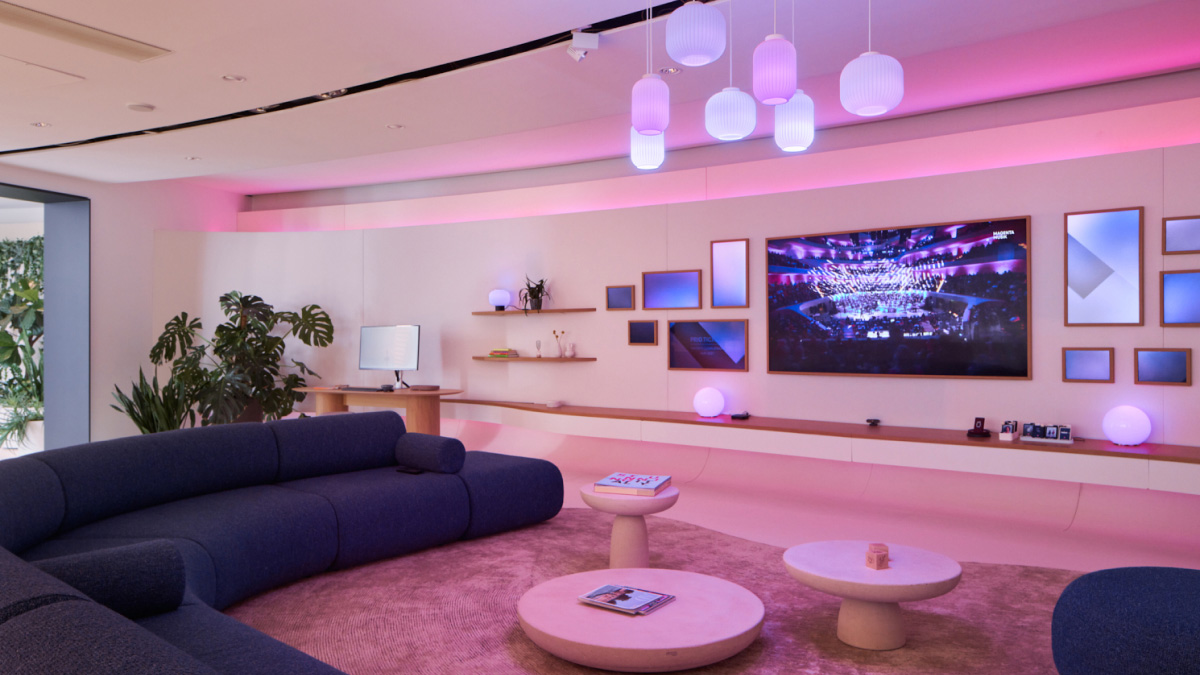
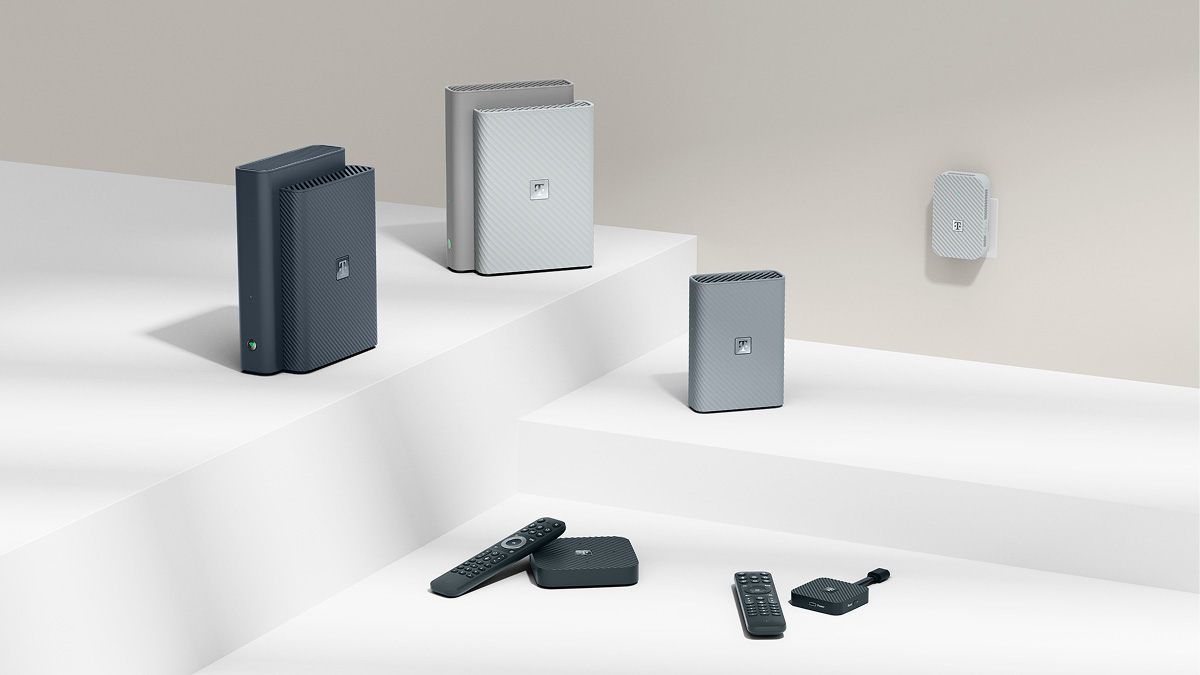
Designing the heart of the home – calm, personal, connected

Designing for homes means improving everyday life for millions of people across the world through simplicity, trust, and experiences that feel right.

22M+
broadband customers
92%
of all households
A good internet connection is essential to me. The router feels like the heart of our home.
Elisa
+22%
customer effort score gain
You know immediately where to click if you are looking for a specific function.
Ivona
Simple, intuitive and effortless.
Carl

Confidence grows with use. One seamless customer experience, end to end.

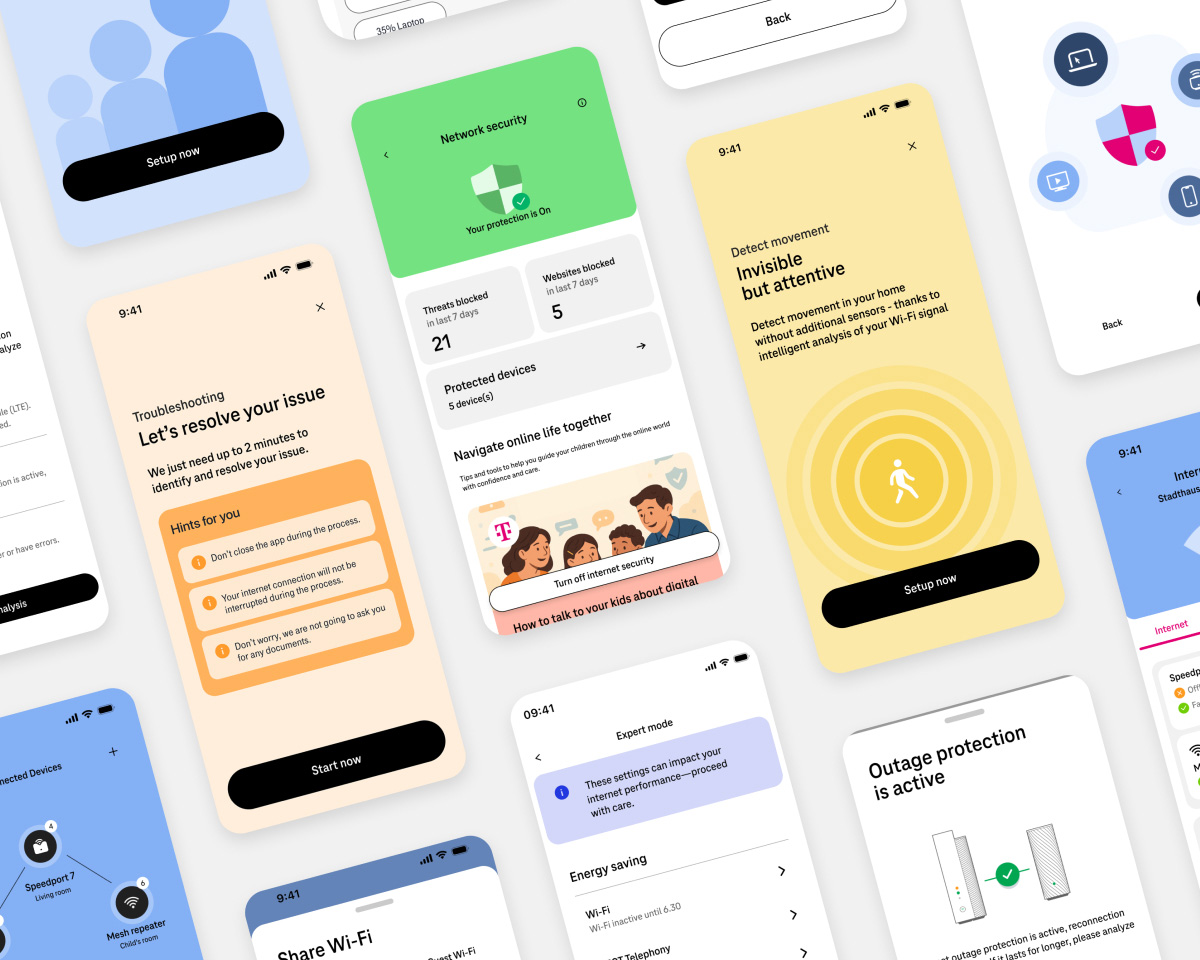
Customers don’t experience isolated home products. They experience outcomes – setup, outages, upgrades, and everyday use. That’s why routers, mesh devices, services, apps, and interfaces are designed as parts of one connected journey, with shared logic, language, and behavior. 
Each touchpoint builds on the last to create a consistent experience: fewer handoffs, fewer gaps, less uncertainty – and greater confidence and control at every step.
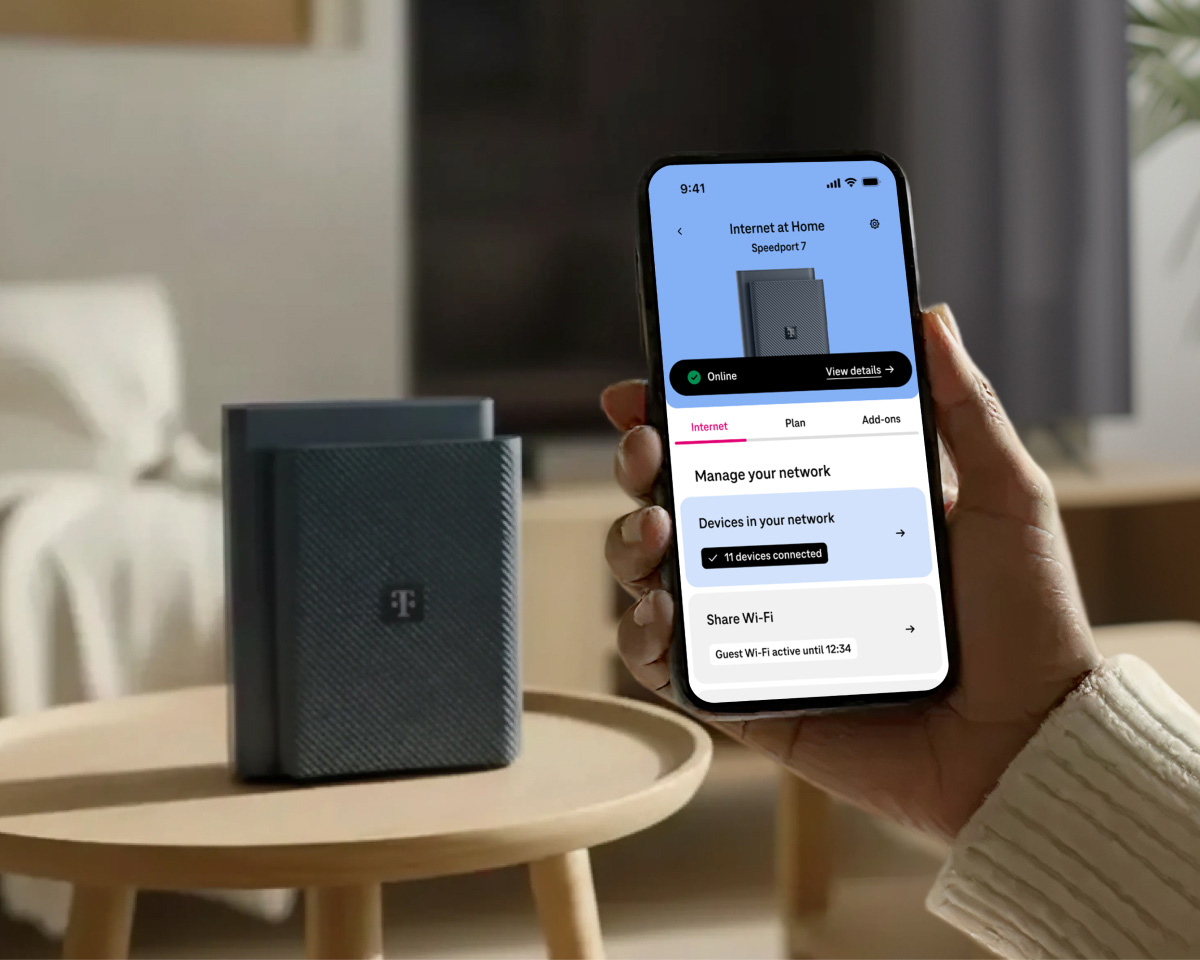
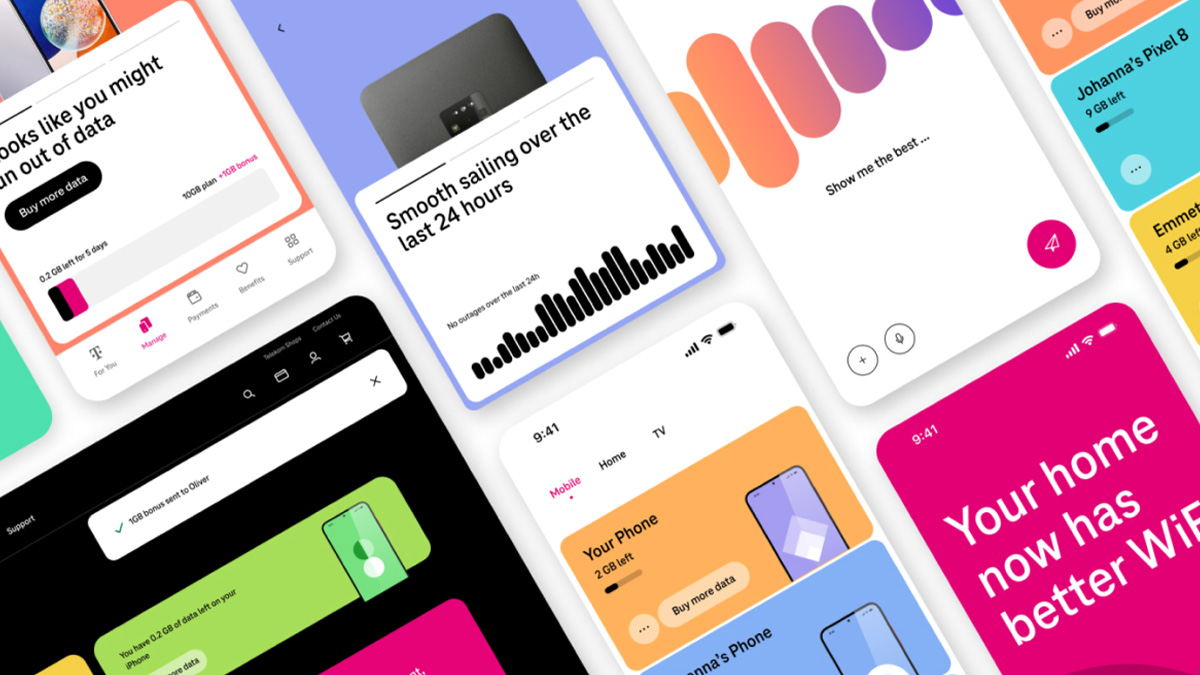
Helpful, not demanding. Intelligence that makes everyday life easier.

Smart technology should reduce effort, not create more of it. Intelligence adds value when it understands context, anticipates needs, and supports decisions without disrupting daily life. It steps in when it matters and stays in the background when it doesn’t – so people can benefit from its capabilities without having to manage the complexity behind them.
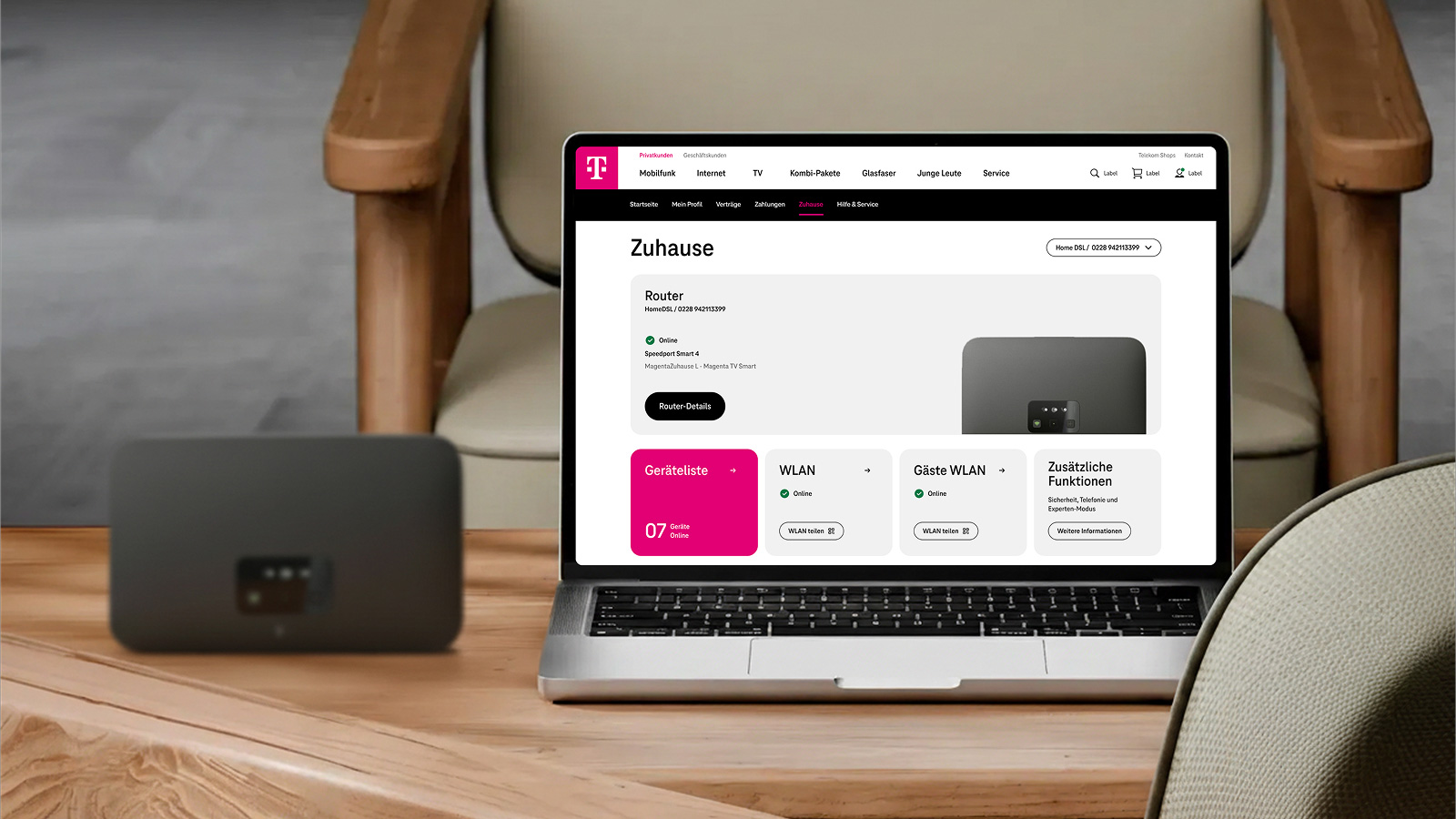
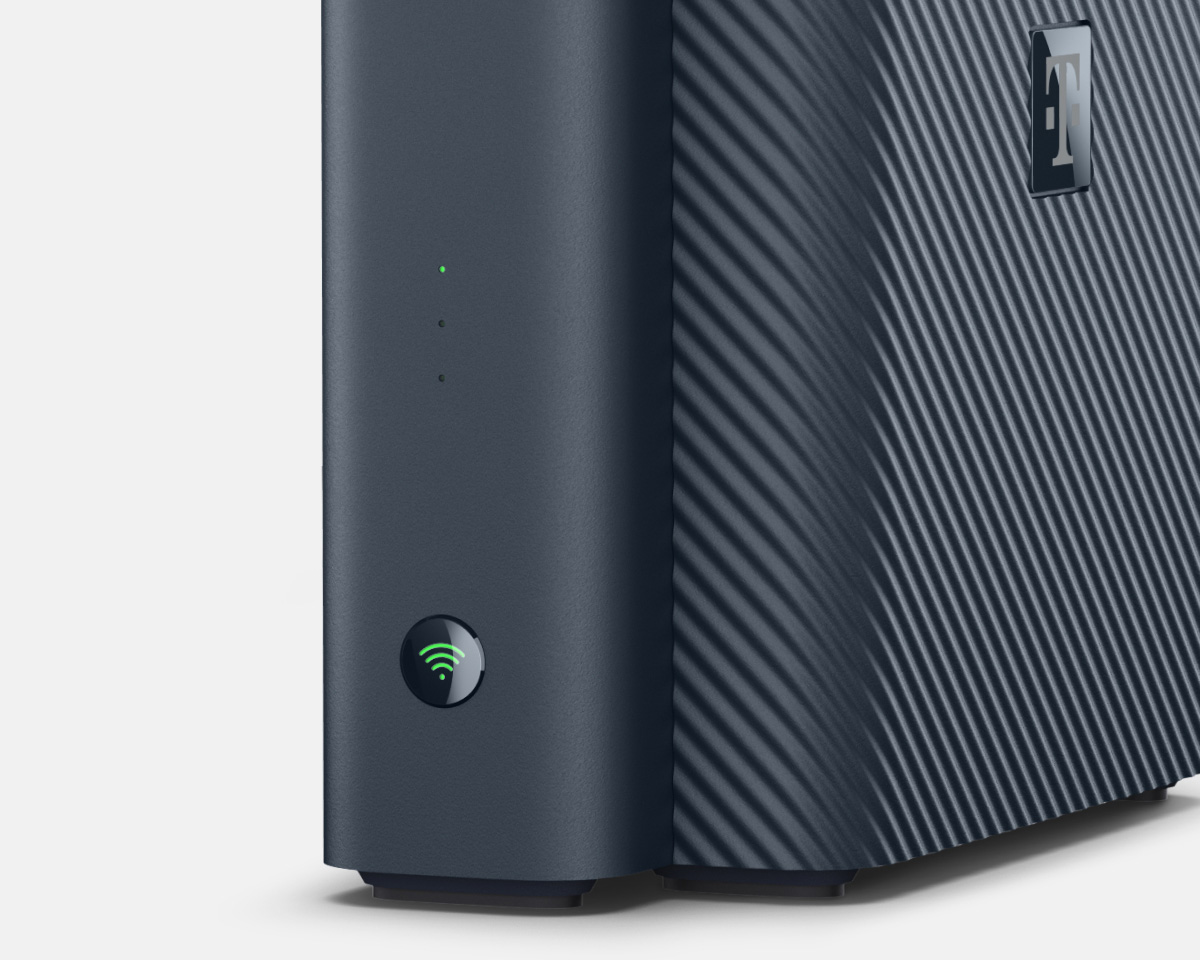
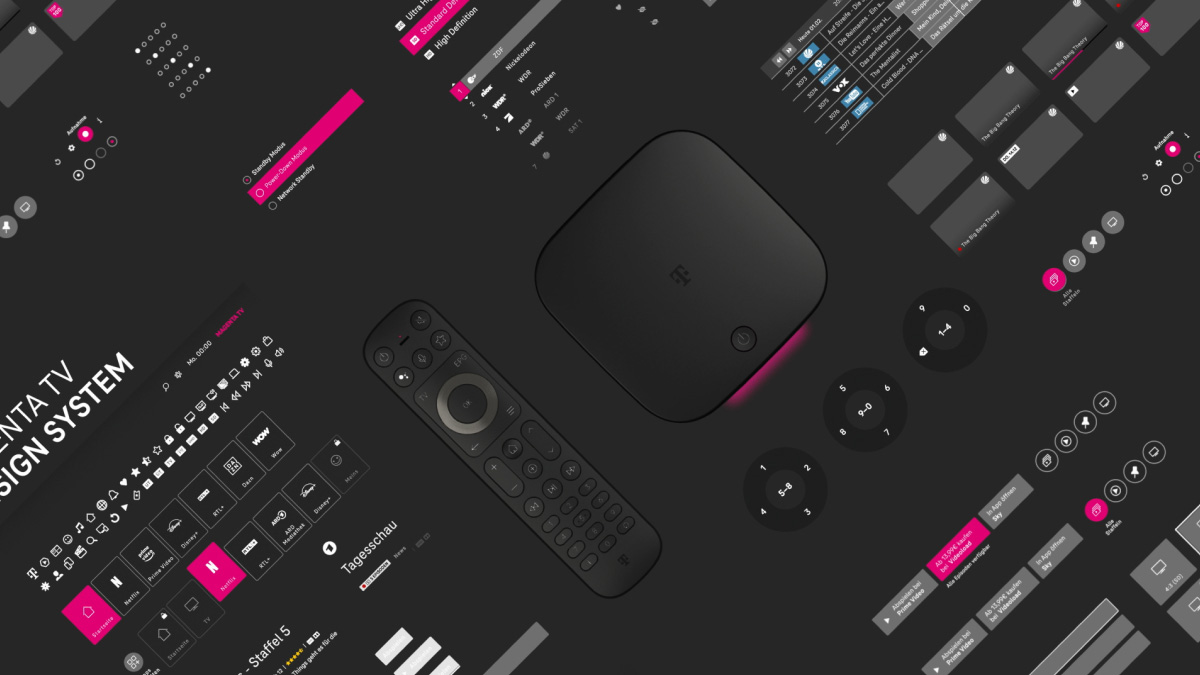
Form follows function. Hardware and digital experiences designed together.

In the home, physical and digital design are inseparable. A device is only as intuitive as the app that sets it up, explains its functions, and puts it under your control. Form, materials, and interactions align with the digital experience, so the first touch feels as intuitive as the first tap. What people see, hold, and use follows the same logic as what they configure, understand, and manage in the app.
 

Go to the hardware design project

One home. One system. Experiences people return to every day.

Good design doesn’t rely on instructions, but builds confidence through consistent use. Clear structures, familiar patterns, and meaningful feedback help people understand what’s happening and why without forcing them to learn a complicated system. Over time, uncertainty gives way to confidence. The app becomes part of everyday life, not just something people turn to when something goes wrong. The result is an experience that feels natural, reliable, and easy to control.

What we do